Medical Consumables and Lab Consumables OEM Manufacturer

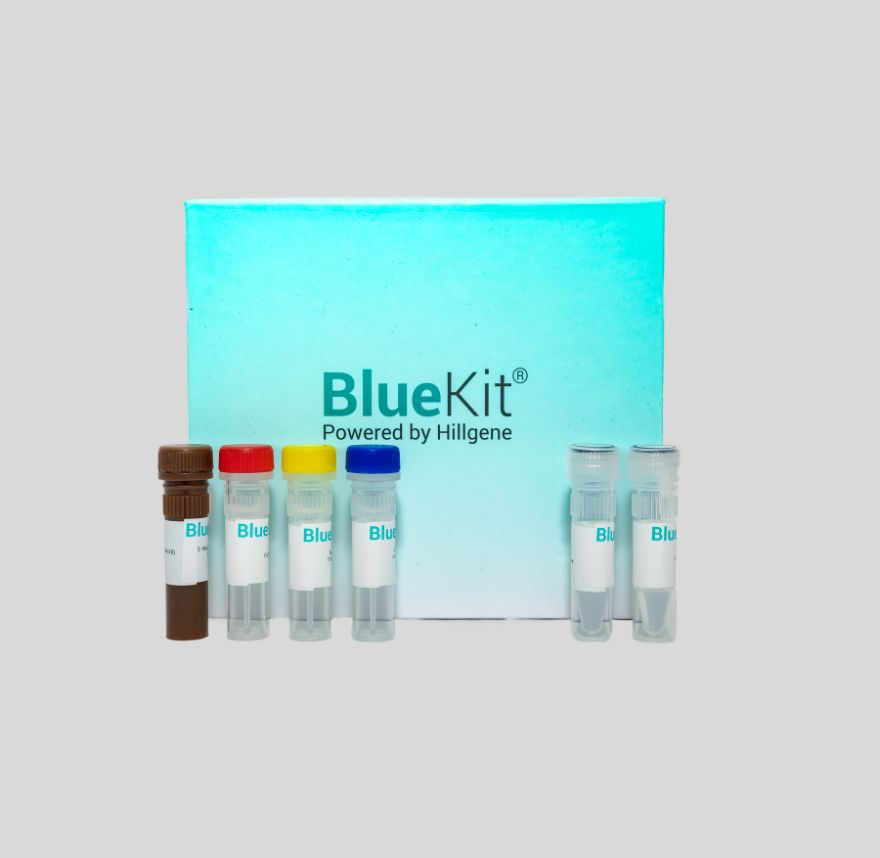
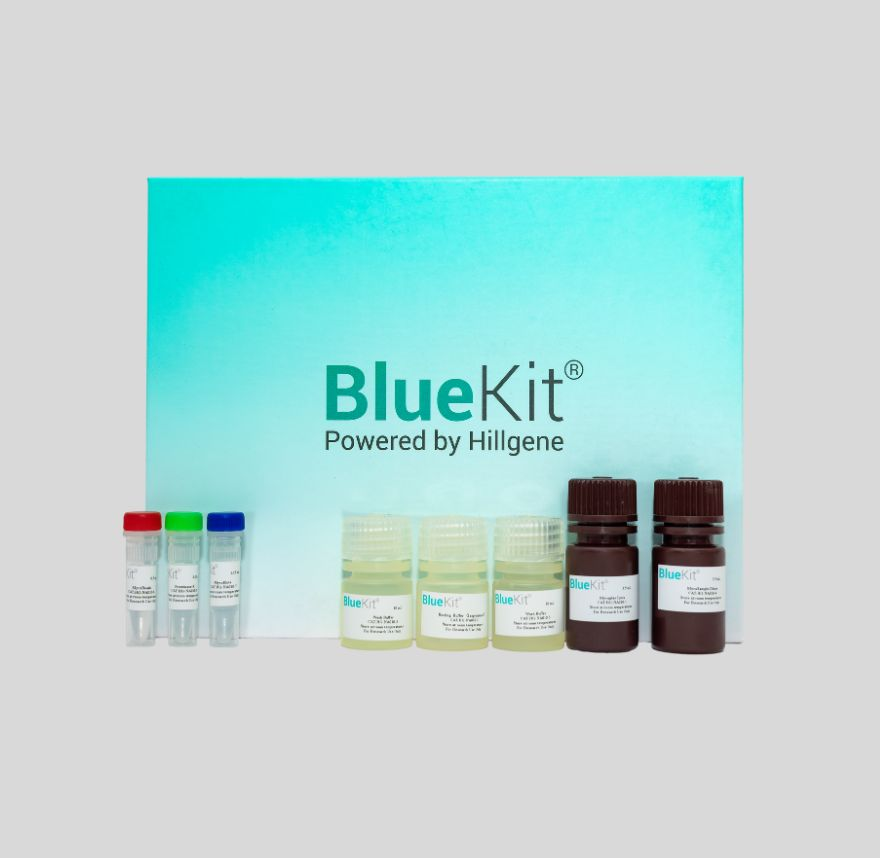
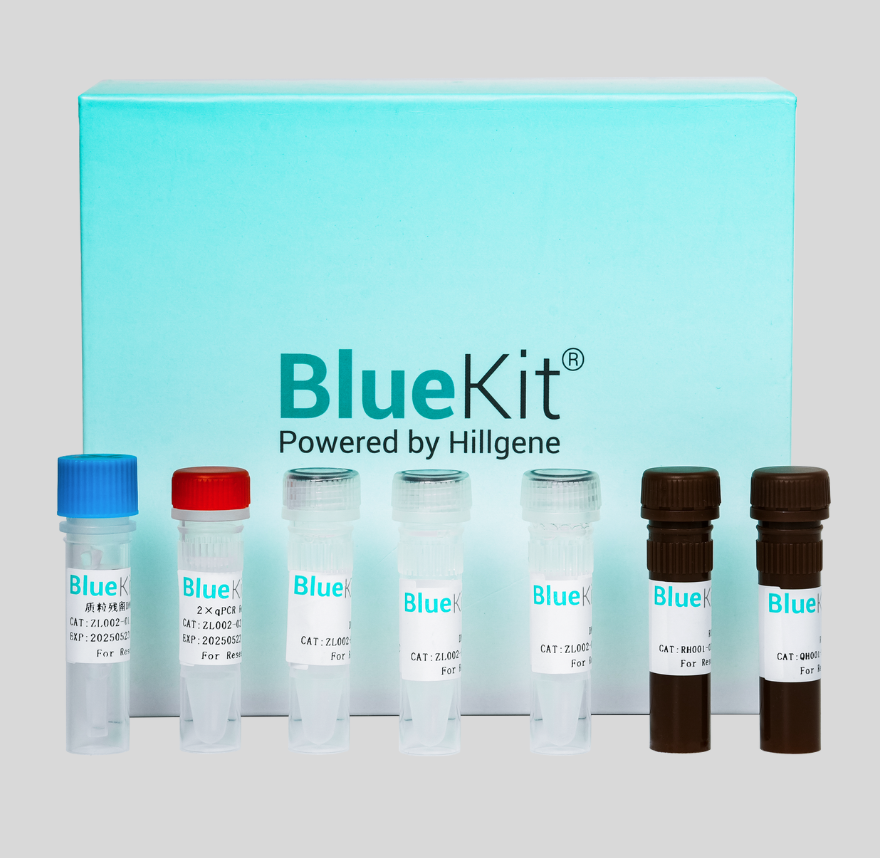
Pichia Pastoris Hcp Elisa Assay Kit

This product utilizes a double-antibody sandwich method to detect residual Pichia pastoris host cell proteins (HCP) in samples. A microtiter plate pre-coated with  capture antibody specific to Pichia pastoris HCP is used. After adding samples and standards, the capture antibody specifically binds to the Pichia pastoris HCP. Following a wash step to remove impurities, an enzyme-labeled antibody is added. After another wash step to remove unbound enzyme-labeled antibodies, a substrate is added for color development. The reaction is then terminated, and the absorbance is read. The absorbance value of the sample is directly proportional to the amount of Pichia pastoris HCP detected in the sample. By comparing the absorbance to a standard curve and multiplying by the corresponding dilution factor, the residual amount of Pichia pastoris HCP in the sample can be determined.


Contact
Get A Quote
SKU:HG-HCP005
Pichia Pastoris Hcp Elisa Assay Kit

Features of Pichia Pastoris Hcp Elisa Assay Kit

01

High Sensitivity and Accurate Quantification

The detection range of 1.5625–100 ng/mL ensures precise measurement of residual Pichia pastoris host cell proteins (HCPs) using a validated double-antibody sandwich ELISA method, meeting stringent quality control requirements for biologics manufacturing.

02

Regulatory Compliance and Standardized Workflow
Compliant with Chinese Pharmacopoeia (2020 Edition) and ICH Q6B guidelines, the kit includes pre-coated antibody plates and calibrated standards, with a standardized protocol (e.g., 4PL curve fitting) to ensure reproducibility and regulatory acceptance.


03

Efficient Operation and Reliable Stability
The total assay time is approximately 2 hours and 50 minutes, with opened reagents stable for 1 month (2–8°C). Detailed troubleshooting guidance (e.g., for washing or color development issues) ensures robust performance in routine lab testing.


General Workflow

1.Preparation of Reagents:

  • Take the reagent kit out of the refrigerator and allow it to equilibrate to room temperature for at least 30 minutes, ensuring all required reagents for the experiment are ready. Mark the opening date on the reagent kit and prioritize using the oldest opened kit. Kits from the same batch number can be used together, but kits from different batch numbers should not be mixed. Return any unused strip plates back to their sealed bag and store at 2–8°C for future use.

  • Prepare the Wash Solution (1×): Dilute an appropriate amount of 20× Wash Buffer with deionized water to achieve a 1× solution. If crystals are present in the 20× Wash Buffer, place it at room temperature or in a 37°C water bath, gently shaking until the crystals are fully dissolved before dilution.


2.Standard Curve Preparation:

  • The Pichia HCP calibration standard does not require dilution and can be used directly.

Sample Solution Preparation:

  • Dilute the sample using Sample Diluent Buffer to bring it within the range of the standard curve, and mix thoroughly.

Spiked QC Solution Preparation:

  • Take 120 µL of the sample solution and add 120 µL of the 25 ng/mL standard, mix thoroughly.

Washing the Plate:

  • Wash the plate with 1× Wash Solution, adding 300 µL per well. Dry any residual liquid from the wells by inverting and tapping the plate gently. Repeat this process three times.

Sample Incubation:

  • Add 100 µL of the standard, sample, or spiked QC to the corresponding wells. Seal the plate with a sealing film and incubate at 37°C with shaking at 300 rpm for 1 hour. (Note: Ensure the plate is properly sealed during incubation; incomplete sealing or lack of sealing can lead to evaporation, causing errors in the results.)


3.Washing the Plate Again:

  • After incubation, let the plate sit at room temperature for 3-5 minutes. Carefully remove the sealing film and discard the liquid in the wells. Wash the plate with 1× Wash Solution, adding 300 µL per well. Dry any residual liquid by inverting and tapping the plate. Repeat this process three times.
    (Note: If washing manually, dispense the wash buffer above the wells without touching the well walls with the pipette tips. After each wash, let the plate sit for 30 seconds and gently shake before inverting the plate to dry the wells. Use new absorbent paper or a clean section of the same paper each time.)

Preparation of HRP-conjugated Antibody:

  • Dilute the 100× Anti-Pichia HCP-HRP antibody using Antibody Dilution Buffer to achieve a 1× working solution. For example, add 100 µL of 100× Anti-Pichia HCP-HRP to 9.9 mL of Antibody Dilution Buffer.


4.Antibody Incubation:

  • Add 100 µL of the diluted HRP-conjugated antibody to each well, seal the plate, and incubate at 37°C with shaking at 300 rpm for 1 hour. Take Color Reagent A and B out of the 4°C refrigerator and allow them to equilibrate to room temperature.

Washing the Plate Again:

  • After incubation, let the plate sit at room temperature for 3-5 minutes. Carefully remove the sealing film and discard the liquid. Wash the plate five times with 1× Wash Solution, adding 300 µL per well each time. Dry any residual liquid from the wells.


5.Color Development:

  • Mix Color Reagent A and B in a 1:1 ratio and add 100 µL of the mixture to each well. Seal the plate and incubate at room temperature, protected from light, for 20 minutes.


6.Termination:

  • Add 50 µL of Stop Solution to each well to terminate the reaction. After stopping the reaction, read the plate as soon as possible. (Note: It is recommended to set the microplate reader to perform a 5-10 second shaking before reading.)

Reading the Plate:

  • Within 20 minutes, measure the absorbance at 450 nm with a reference wavelength at 630 nm using a microplate reader.


Service Details

Serial No.Problem DescriptionPossible CausesCorresponding Countermeasures
1Gradient difference of standard curveInaccurate pipetting or liquid addingCheck pipettes and tips
Incomplete washing of microplateEnsure the number of washing cycles and the volume of washing solution per well
2No color development or very weak color development in both standard curve and samplesToo short incubation timeEnsure sufficient incubation time
Incorrect experimental temperatureUse the recommended incubation temperature
Omission of a component, especially detection antibody or enzymeCheck experimental records and remaining reagents. Verify labels before each liquid addition
Expired reagentsUse products within the validity period
Inactivation or loss of standards/antibodies/enzymes/chromogenic substratesStore correctly and replace with new standards/antibodies/enzymes/chromogenic substrates
Failure to add the next reaction solution in time after washing and pat - drying the microplateAdd the next reaction solution immediately after washing and pat - drying the plate
3No color development or very weak color development in standard curve, but color development in samplesInsufficient or no vortexing during serial dilution of standardsUse vortex mixing during dissolution and dilution

Sample coloration

4Low OD value readingIncorrect setting of microplate readerCheck the wavelength and filter settings on the microplate reader
Turn on the microplate reader in advance for preheating before reading
Improper washing operation of microplate: e.g., too many washing cycles, too long residence time after adding washing solution, etc.Wash the plate according to the method recommended in the instruction manual
5Large coefficient of variationMismatch between pipette and tipsReplace pipette tips
Poor accuracy of pipetteRegularly calibrate and test the pipetting equipment
Check the bottom of the microplateCheck if there is residual liquid and fingerprints on the bottom of the microplate
Inconsistent pipetting operationPractice pipetting repeatedly to maintain consistency in pipetting operation
Abnormality inside the plate wellsConfirm no foreign matter in the plate wells before sample addition and no air bubbles after sample addition
6High background valueIncomplete washing of microplateWash the plate according to the method recommended in the instruction manual
If using an automatic plate washer, check if all liquid addition ports and waste liquid discharge ports are blocked
If washing the plate by hand, appropriately increase the number of washing cycles
Contamination of shared reagents: e.g., ultrapure waterReplace with non - contaminated reagents and re - prepare
Contamination of shared instruments: e.g., pipettes, centrifugesUse dedicated pipettes and sterile filter tips
Unclean operating environment, mixed use of ELISA test operation area with cell culture and disruption areasSeparate the test operation areas
Incorrect reagent matching: e.g., incorrect dilution ratio of washing solution or detection antibodyRe - prepare according to the correct dilution ratio
Too long reaction timeImmediately use the stop solution to terminate the reaction when the color development of the microplate is sufficient for absorbance reading, and appropriately shorten the color development time if necessary
Color development reaction not protected from lightConduct the color development reaction under light - proof conditions
7Experimental results deviate greatly from the reference performance parametersImproper storage of kitStore relevant reagents as required in the instruction manual
Expired reagentsConfirm that the kit and its components are within the validity period
Failure to strictly follow the instruction manual during the experimentConduct practical operation training for experimenters before the experiment to ensure the experiment proceeds smoothly
Strictly control key experimental steps, such as use concentration, sample volume, incubation time, etc., and do not replace the instruction manual with empirical judgment
8Positive result in negative controlContamination of samples or reagents, or improper operation during sample addition leading to cross - contamination due to splashing between adjacent wellsReplace reagents and operate carefully
Incomplete washing of microplatePour out the antibody solution before washing the plate, then fill the plate wells with washing solution to ensure sufficient washing
9Large difference in calculated sample values when samples are diluted at different gradientsStrong matrix effect of samplesSelect the dilution factors where the calculated sample values are close under two dilution gradients (for samples with relatively high content of target protein)


Service Features

Solution 1: HCP Residual Detection
Solution 2: DNA Residual Analysis
Solution 3: Process-Specific HCP Monitoring
  • Purpose: Quantitative measurement of Pichia pastoris host cell protein (HCP) residuals in biologics intermediates and final products.

  • Feature: Double-antibody sandwich ELISA with high specificity (1.5625–100 ng/mL detection range).

  • Technical Effort: Validated 4PL curve fitting (CV <5% for replicates).

  • Rigorous QC: Spike recovery (95–107%), inter-assay precision (CV <10%).

  • Application: Lot release testing for recombinant protein therapeutics.


  • Purpose: Ultra-sensitive detection of E. coli residual DNA in biologics (e.g., vaccines, gene therapies).

  • Feature: qPCR with TaqMan probe technology (fg/μL-level sensitivity).

  • Technical Effort: Standard curve validation (R²>0.99, 90–110% efficiency).

  • Application: Compliance testing per USP/EP/ChP guidelines.


  • Purpose: Dynamic monitoring of HCP levels during upstream/downstream bioprocessing.

  • Feature: Ready-to-use ELISA kits for multiple host systems (e.g., 293T, Pichia).

  • Technical Effort: Pre-coated plates with batch-to-batch consistency.

  • Application: In-process control (IPC) for cell culture and purification steps.


Case Studies

Case 1: Biopharmaceutical Lot Release Testing

Application Scenario
A biologics manufacturer required precise quantification of Pichia pastoris HCP residuals in a recombinant protein drug to comply with EMA and FDA regulations.

Technical Challenge
Detection of low-abundance HCPs (1.56–100 ng/mL) in complex samples with high product concentrations, while minimizing matrix interference.

Solution Implemented
• Used pre-coated 96-well plates (HG-HCP005) with optimized diluent buffers.
• Validated 4PL curve fitting (R²>0.99) on a SpectraMax microplate reader.
• Included spike recovery controls (25 ng/mL) and inter-plate QC samples.

Outcome & Validation Data
• Achieved LOD of 0.8 ng/mL (CV <5%).
• All batches met ≤5 ng/mg HCP specification (ICH Q6B).
• Inter-assay precision: CV 6.8% (n=20).
• Spike recovery: 95–107% across 3 production sites.


Case 2: Cell Therapy Process Development

Application Scenario
A CAR-T cell therapy developer needed to monitor HEK293 residual DNA during viral vector production.

Technical Challenge
Quantifying fragmented DNA (<200 bp) in lentiviral supernatants with high sensitivity (fg/μL).

Solution Implemented
• Deployed qPCR kit (HG-HD003) with TaqMan probes targeting SV40 promoter.
• Automated extraction on QIAcube to reduce operator variability.
• Included DNA fragmentation analysis (HG-HF002) for size distribution.

Outcome & Validation Data
• Detected 50 fg/μL DNA (S/N >3.5).
• Reduced false positives via fragmentation profiling (95% fragments <500 bp).
• Inter-operator CV: 3.9% (n=12).
• Compliance with USP <1043> for cell-based therapies.


Specification of Pichia Pastoris Hcp Elisa Assay Kit


Product Code Valid for 12 monthsProduct SpecificationsExpiration Date:
HG-HCP00596T12 months
HG-HCP005-S48T


Products
More
Bring your cellular therapy products to the next milestone sooner
Contact Us
Contact
86 198 5711 6962 info@hillgene.com
Avenue Building 4, Yuewang Wisdom Valley, 1463 Wuzhong Avenue, Wuzhong District, Suzhou China
Ask Us Anything!