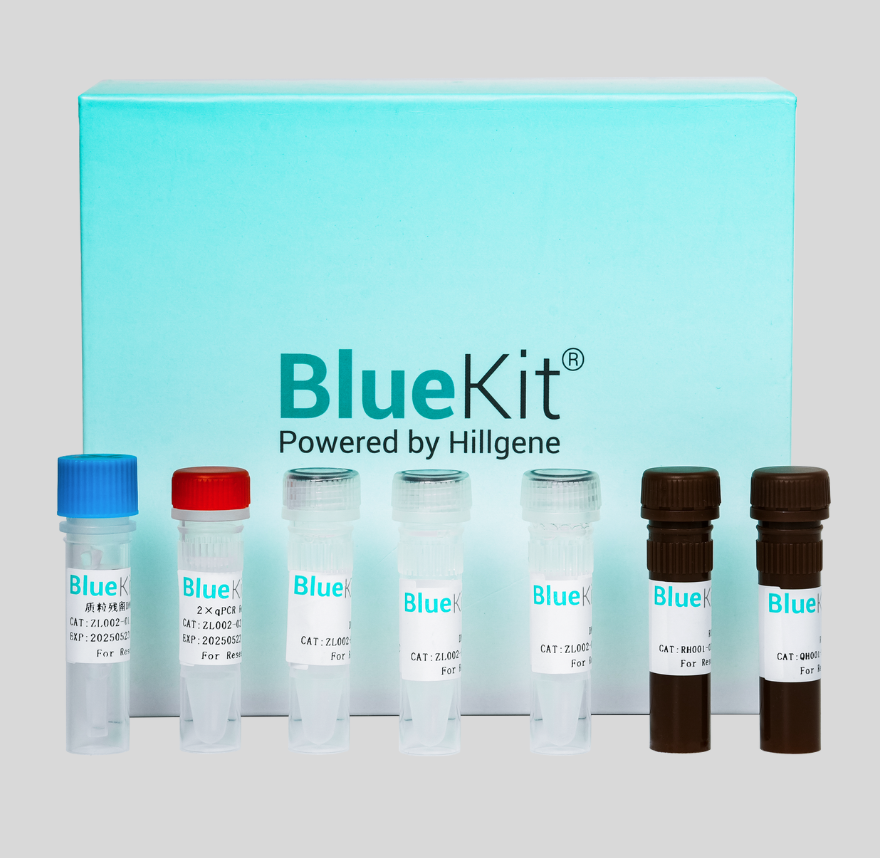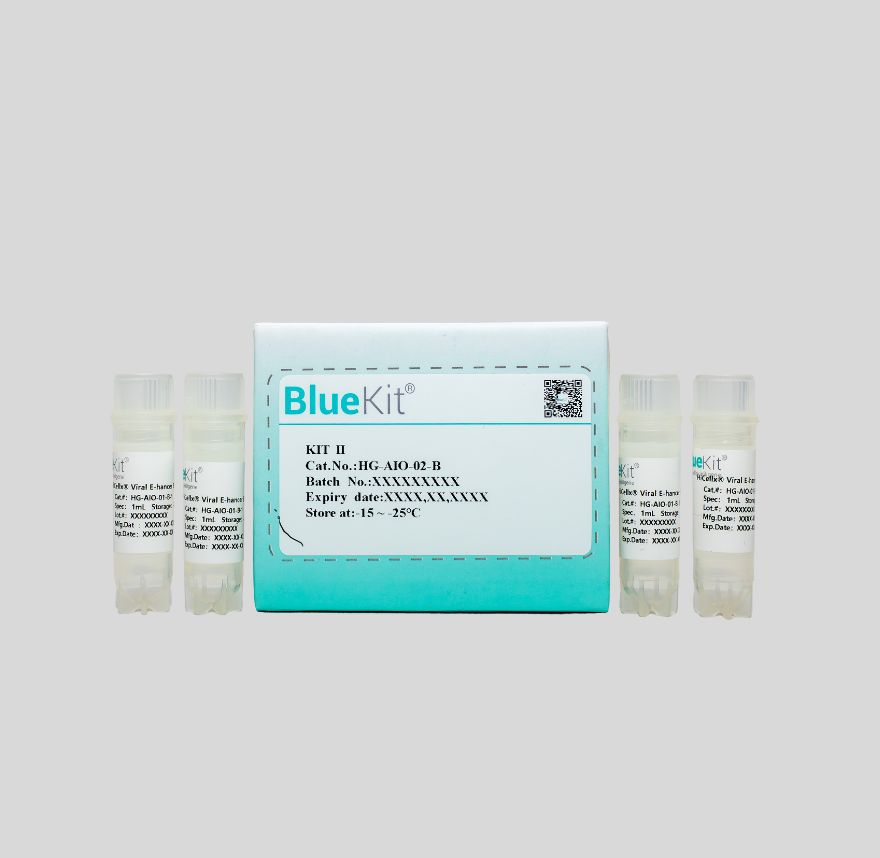
The realm of modern medicine is continually evolving, introducing cutting-edge treatments like cell therapy products that offer new hope for a wide range of medical conditions. As the demand for personalized medicine grows, cell and gene therapy solutions present promising approaches by utilizing living cells to repair or replace damaged tissues and treat diseases. This article explores the intricate world of cell therapy, covering its definitions, types of cells used, medical conditions treated, mechanisms of action, and future trends. As we delve deeper, this guide aims to educate and empower you with the latest in cellular therapies, while subtly incorporating insights into CDMO services and related biotechnologies like assay kits and plasmid extraction kit solutions.
Cell therapy refers to the process of introducing living, functional cells into a patient to treat or replace damaged tissue. This innovative treatment modality leverages the body's own biological processes to provide healing through the manipulation and use of cells. What is cellular therapy? It's essentially the use of any cells or cell derivatives, such as stem cells or immune cells, in therapeutic applications to treat new diseases.
Cell therapy products undergo a rigorous development process often involving a CDMO (Contract Development and Manufacturing Organization) to ensure quality. These organizations provide comprehensive cell and gene therapy solutions, from initial research through commercialization, including services like RNase inhibitor use to protect RNA integrity and inorganic pyrophosphatase for DNA synthesis. By integrating a high-performance cell therapy kit into these validated protocols, manufacturers can further minimize risks associated with cell handling and processing while ensuring consistent batch results.
Fundamentally, cellular therapy encompasses a variety of treatment strategies characterized by their source and therapeutic potential. Understanding these distinctions is critical for both practitioners and patients aiming to explore regenerative medicine's growing field.
The diversity in cell therapy products stems from the wide variety of cell types utilized in treatments, each with its unique advantages and applications. The primary categories include:
| Type of Cells | Source | Application |
|---|---|---|
| Stem Cells | Bone marrow, adipose tissue, and umbilical cord | Regenerative treatments, tissue repair |
| Immune Cells | Blood, bone marrow | Cancer immunotherapies, infectious diseases |
| Mesenchymal Cells | Bone marrow, adipose tissue | Inflammation control, repair of soft tissue injuries |
| Induced Pluripotent Stem Cells | Skin, blood | Regeneration research, disease modeling |
Each cell type requires specific handling techniques, which are often supported by a range of biotechnology products, including dna extraction kit for obtaining precise genetic material and qpcr analysis for measuring gene expression in modified cells.
Cell therapy has opened new avenues for treating a myriad of medical conditions that were previously deemed untreatable. Conditions commonly targeted by cell therapy products include:
Cancer: With the advent of cellular therapies like CAR T-cell therapy, the manipulation of autologous immune cells for targeted cancer treatment has shown remarkable potential in hematologic malignancies.
Cardiovascular Diseases: Patients suffering from severe heart conditions can potentially benefit from stem cell therapies aimed at regenerating heart tissue.
Neurodegenerative Disorders: Emerging treatments using stem cells attempt to regenerate damaged neurons and offer new hope for diseases like Parkinson's and Alzheimer's.
Autoimmune Diseases: Introducing modified cells can help reset a hyperactive immune system, providing relief from chronic inflammatory conditions like rheumatoid arthritis.
These applications highlight the therapeutic versatility of cell treatment strategies and underpin a broad spectrum of ongoing clinical investigations.
Understanding the mechanism of action for cell therapy products is crucial. These therapies typically operate through:
Regenerative Mechanisms: Stem cells have the capacity to differentiate into numerous cell types, helping replace damaged tissues, repair injuries, and promote healing in affected areas.
Immunomodulation: Modified cells can enhance or suppress immune responses, crucial for cancer treatment or reducing chronic inflammation in autoimmune diseases.
Gene Correction: Using advanced genomic techniques, such as lentiviral packaging plasmids, cells can be genetically modified to correct disease-causing mutations before being reintroduced into the patient. This aspect of cell therapy is particularly transformative, advancing towards curing inherited genetic disorders.
These actions are supported by precise biotechnological tools, such as the bca protein assay kit for protein quantification, ensuring accurate cell modifications during therapy development.
As cell therapy products continue to gain traction, several exciting trends are emerging in the field. The integration of cellular therapies with gene editing technologies, like CRISPR-Cas9, holds promise for more precise and effective treatments.
Advancements in the manufacturing process, aided by CDMO partnerships, are reducing costs and enhancing the scalability of cell therapies. Innovations in plasmid extraction kit solutions and assay kits are also paving the way for more streamlined development processes.
An increasing focus on personalized medicine through QPCR analysis and biomarkers is optimizing patient-specific treatment strategies, enhancing efficacy, and minimizing adverse effects.
Furthermore, cell therapy's ability to be used in combination therapies provides additional opportunities for tackling complex diseases and underscores a future where integrative diagnostic and treatment solutions will become standard.
In conclusion, cell therapy products signify a substantial leap forward in contemporary medicine. Understanding their foundation, applications, and potential future innovations allows for a broader comprehension of their significance within the healthcare industry. As the field of cellular therapies continues to mature and expand, we can anticipate even more groundbreaking developments that will reshape treatments for various diseases, offering hope and better outcomes for patients worldwide.
For those in the biotechnological and pharmaceutical industries, incorporating tools such as bca protein kit, RNase inhibitor, and inorganic pyrophosphatase into research and production processes can support high-quality, effective cellular therapies, driving growth and innovation in this transformative field.
By staying informed and engaged with cutting-edge advancements, professionals in the field can continue to enhance the delivery and efficacy of cell therapy solutions, ensuring they remain at the forefront of medical science.
 86 13381666596
  info@hillgene.com
 English
_20251208175706.webp "HiCellx® SteriLink Welder")