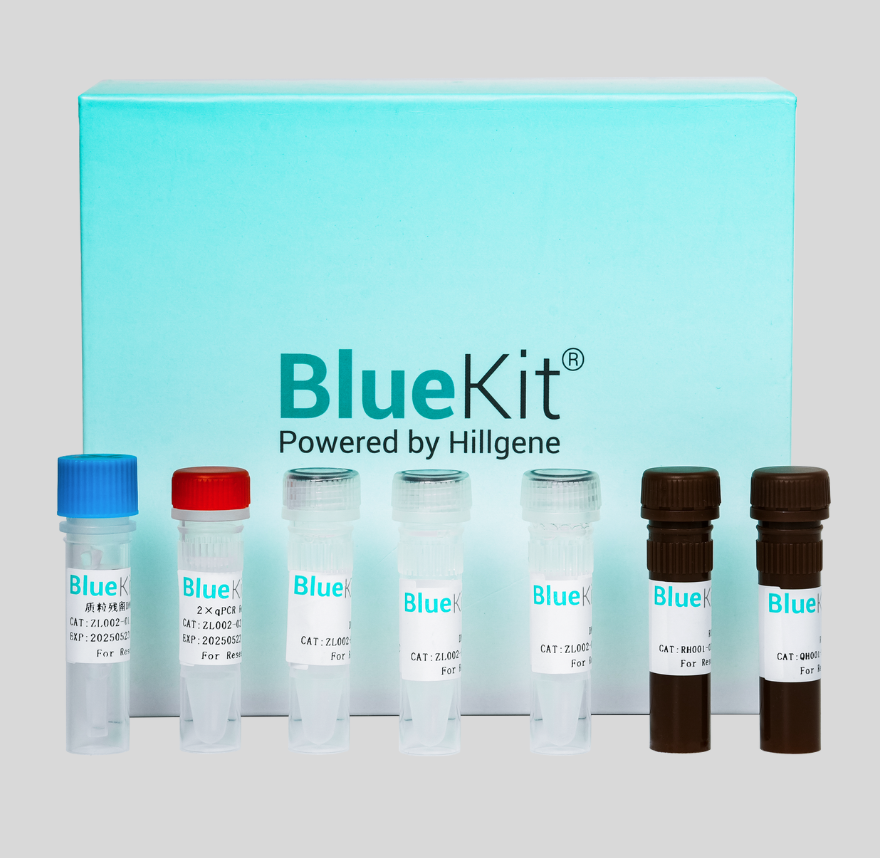
Cell therapy is a rapidly evolving field in medicine that is revolutionizing treatment approaches for a myriad of diseases. By utilizing living cells as therapeutic agents, cell therapy presents a promising path for curing previously untreatable conditions. These therapies harness the body's own cellular mechanisms to address both genetic and acquired diseases, offering hope where traditional treatments have fallen short. This comprehensive overview explores successful examples of cell therapies in medicine, providing insights into cell therapy products like CAR-T and stem cell transplants, as well as breakthroughs in regenerative medicine. We will also review clinical trial case studies, patient outcomes, and success rates, shedding light on the transformative potential of cellular interventions.
Chimeric Antigen Receptor T-cell (CAR-T) therapy epitomizes the cutting edge of genetic engineering in cancer treatment. What is cellular therapy through CAR-T? It involves modifying a patient's T-cells to express a chimeric antigen receptor that targets cancer cells. These engineered T-cells are then multiplied and reintroduced to the patient's body.
The CAR-T process utilizes sophisticated cell and gene therapy solutions provided by specialized CDMOs (Contract Development and Manufacturing Organizations) that ensure high safety and efficacy standards. The clinical application of CAR-T therapy has seen robust success in treating hematologic malignancies such as B-cell acute lymphoblastic leukemia (ALL) and non-Hodgkin lymphoma (NHL).
| Brand | Indication | Approval Year |
|---|---|---|
| Kymriah | B-cell ALL | 2017 |
| Yescarta | Large B-cell Lymphoma | 2017 |
Despite initial successes, CAR-T therapy poses challenges such as RNAse inhibitor utilization for mRNA stabilization during cell engineering and the necessity of comprehensive qPCR analysis for precise gene integration. Continued research and development, supported by tools like assay kits and **lentiviral packaging plasmids, are advancing the efficacy and accessibility of CAR-T therapies, offering hope to millions.
Stem cell transplants are a cornerstone of regenerative medicine, offering therapeutic potential for a range of diseases, particularly in hematopoietic conditions like leukemia and lymphoma. These transplants involve the infusion of hematopoietic stem cells, which can restore the bone marrow's capability to produce healthy blood cells.
Effective stem cell transplants often require the use of BCA protein assay kits to ensure protein concentration during cell preservation and plasmid extraction kits for genetic analysis of donor cells. Innovations have improved transplantation success rates, significantly enhancing patient survival and recovery prospects.
| Type | Application | Success Rate |
|---|---|---|
| Autologous | Multiple Myeloma | Up to 90% |
| Allogeneic | Leukemia | 50-70% |
Stem cell research continues to evolve, bolstered by inorganic pyrophosphatase enzymes to increase cellular viability and the meticulous regulation of transplant protocols. As a result, stem cell transplants are witnessing a remarkable transformation into a standard therapy for otherwise debilitating conditions.
Regenerative medicine seeks to repair or replace damaged cells, tissues, and organs, extending the frontier of cell therapy to encompass a wide array of conditions beyond oncology. Examples include tissue engineering for cartilage replacement and the generation of artificial organs.
The success of regenerative approaches leverages DNA extraction kits and BCA protein kits for genetic and molecular analysis, ensuring the viability and functionality of bioengineered tissues. One significant accomplishment in regenerative medicine is the development of bioartificial pancreases for diabetic patients, crafted from stem-cell derived insulin-producing cells.
| Regenerative Field | Example | Outcome |
|---|---|---|
| Tissue Engineering | 3D Printed Skin | Improved Wound Healing |
| Organ Replacement | Bioartificial Pancreas | Insulin Independence |
Supported by innovative usage of QCPR analysis for gene expression assurance and plasmid extraction kits for pathogen-free culture, regenerative medicine is paving the way for next-generation therapies that restore full physiological functionality.
Clinical trials are crucial in validating the safety and efficacy of cell therapies and expanding their application. From initial studies to late-stage trials, these real-world experiments provide evidence-based proof and lead to regulatory approval.
For instance, a clinical trial testing CAR-T CDMO cells in solid tumors showed promising results, attributing successes to thorough RNAse inhibitor applications and careful planning using lentiviral packaging plasmids. Another ongoing trial explores allogeneic cell transplant safety in elderly leukemia patients, verifying results through stringent BCA protein assay kits.
| Trial | Phase | Outcome |
|---|---|---|
| CAR-T in Solid Tumors | II | Partial Remission |
| Allogeneic SCT | III | Improved Survival Rates |
These comprehensive trials are facilitated by CDMOs to ensure consistent quality and effective treatment deployment, supporting ongoing research and bringing us closer to widespread therapeutic breakthroughs.
Examining patient outcomes is paramount in evaluating the real-world impact of cell therapies. Success rates reflect the collective efficacy and safety of these revolutionary treatments, translating clinical research into tangible health benefits.
Notable outcomes include a high success rate of CAR-T therapy in refractory cancers with durable remissions in patients who had exhausted traditional therapies, as well as improved quality of life metrics in stem cell transplant recipients. These advancements highlight the incredible promise held by innovative cell and gene therapy solutions.
With supportive tools like assay kits, qPCR analysis, and ongoing support from industry leaders, the predictable success and patient satisfaction rates in cell therapies are steadily rising, reinforcing confidence in these life-changing interventions.
Meanwhile, the application of advanced kits such as DNA extraction kits and BCA protein assay kits continues to fine-tune treatment progression, establishing new standards for cell therapy outcomes.
In conclusion, cell therapy products are reshaping the landscape of modern medicine, offering exponential improvements in survival and quality of life across a spectrum of diseases. As technology continues to develop, the potential for these therapies will only expand, bringing hope to countless patients and empowering healthcare providers worldwide to transcend the current limitations of conventional medical treatments.
References:
 86 13381666596
  info@hillgene.com
 English