The U.S. Food and Drug Administration (FDA) has released a draft guidance encouraging the use of prior knowledge in developing genome editing-based gene therapies. The document allows developers to leverage existing scientific data, platform experience, and previously generated analytical or manufacturing information to support regulatory submissions, aiming to reduce redundant studies while maintaining safety and efficacy standards (FDA, June 2, 2026).
For the CGT industry, the guidance signals a shift toward platform-driven development. Traditionally, each program has required extensive characterization, even when using well-established technologies. By recognizing prior knowledge, the FDA enables sponsors to accelerate timelines, reduce development costs, and focus resources on clinical innovation.

Photo by Julia Koblitz on Unsplash
Emerging biotech companies stand to benefit significantly, gaining opportunities to advance therapies more efficiently without duplicating foundational studies. Meanwhile, the guidance highlights the growing strategic role of experienced CDMOs and technology partners. Organizations with proven platforms, scalable manufacturing processes, and regulatory-ready workflows can help sponsors navigate this evolving landscape.
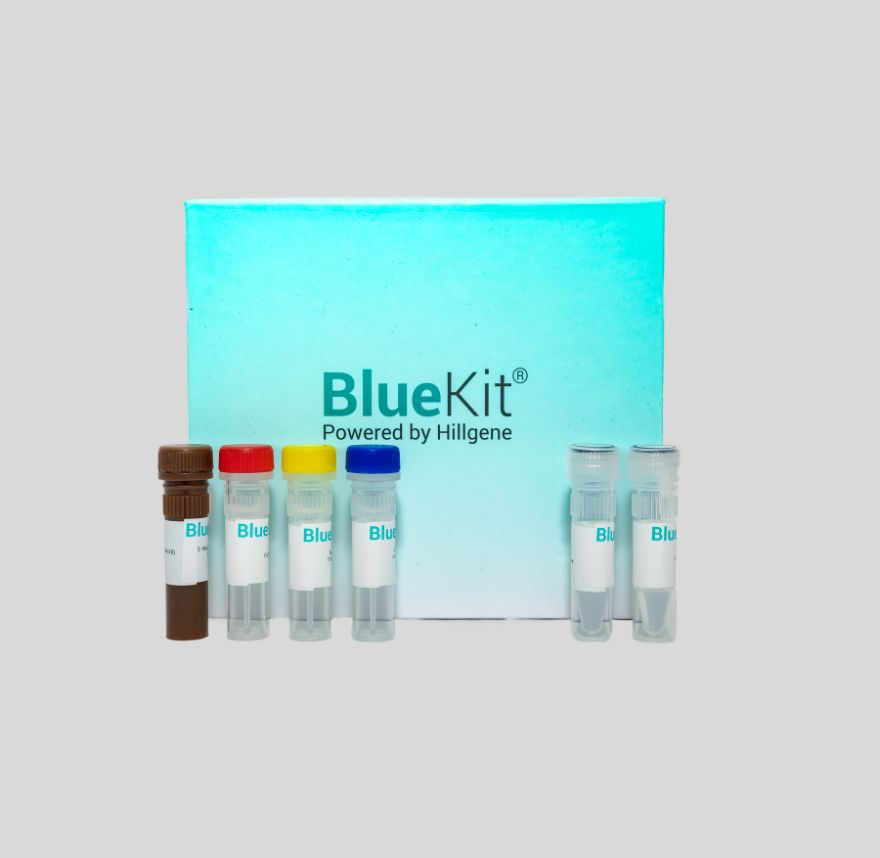
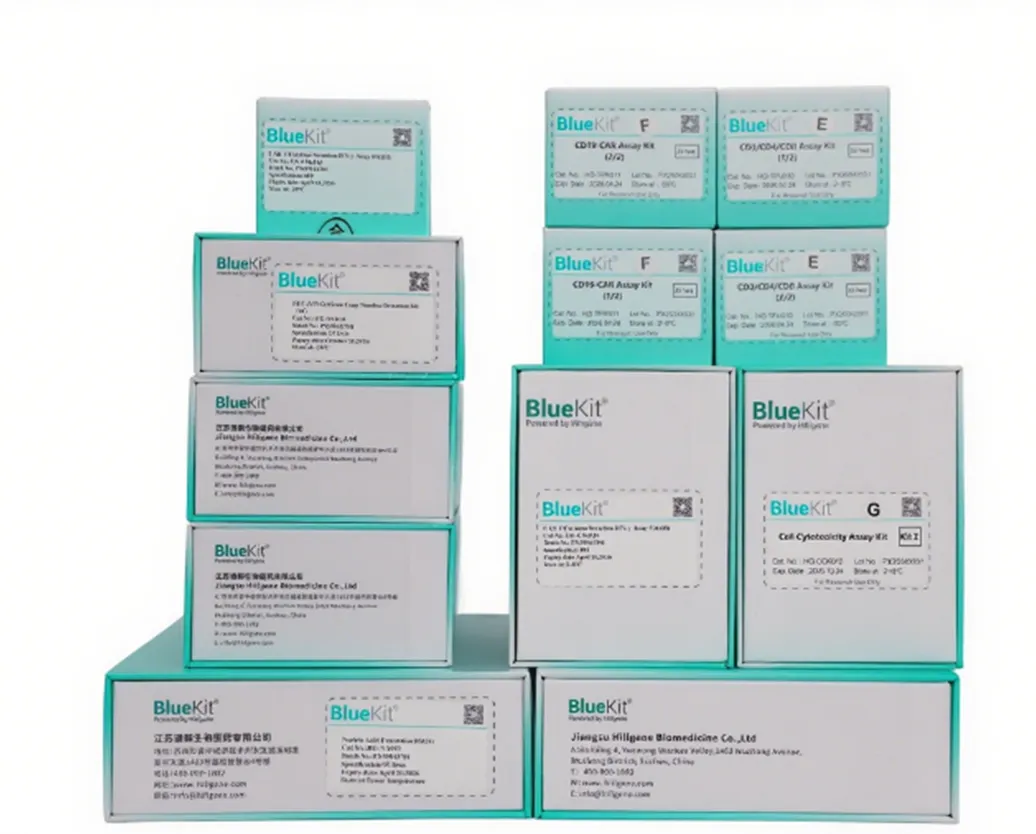
At Hillgene, we see this guidance as a clear validation of our platform-based approach. Access to standardized starting materials, well-characterized processes, and regulatory-ready solutions is increasingly essential for accelerating the path from discovery to clinical development and eventual commercialization.

Photo by Trnava University on Unsplash
While the draft guidance is still under review, its message is clear: the future of cell and gene therapy development will rely not only on scientific breakthroughs but also on effectively leveraging accumulated knowledge and robust platform capabilities. Platform-driven strategies are poised to become a critical driver of efficiency, scalability, and faster patient access to innovative therapies worldwide.
Source: FDA Draft Guidance, June 2, 2026

 86 13381666596
  info@hillgene.com
 English