On February 19, 2026, Japan's Ministry of Health, Labour and Welfare (MHLW) granted conditional and time-limited approval to the world's first two induced pluripotent stem cell (iPSC)–based regenerative medicine products: ReHeart (for severe heart failure, developed by Cuorips, a spin-out from Osaka University) and Amchepri (for Parkinson’s disease, developed by Sumitomo Pharma). This milestone marks the first successful transition of iPSC technology from basic research to commercial therapeutic products since its discovery in 2006, representing a historic leap in regenerative medicine.
The approvals were granted under Japan's accelerated regulatory pathway, based on early-phase clinical safety data, significant unmet clinical needs, and conditional efficacy assumptions. Companies are required to complete confirmatory efficacy studies within seven years, or the approvals will be revoked.
Despite ongoing debate, this regulatory decision validates the clinical feasibility of iPSC therapies in cardiovascular and neurodegenerative diseases, accelerates global iPSC clinical translation, provides an important regulatory reference for other countries, and formally marks the entry of iPSC technology into the era of therapeutic cell drugs.
Photo by Trnava University on Unsplash
iPSCs were first created in 2006 by the team led by Shinya Yamanaka, Nobel Laureate in 2012. Adult somatic cells can be reprogrammed into iPSCs by introducing four transcription factors: Oct3/4, Sox2, Klf4, and c-Myc. iPSCs have unlimited proliferative capacity and multilineage differentiation potential, theoretically capable of differentiating into almost all human cell types. iPSCs are therefore widely regarded as a "universal cell factory".
Compared with embryonic stem cells, iPSCs possess three core advantages that make them central to clinical translation in regenerative medicine:
Ethical acceptability: derived from adult cells without the use of embryos
Low immunological rejection risk: enabling autologous, patient-specific therapies
Scalable standardization: enabling off-the-shelf production through universal cell banks
ReHeart is produced by differentiating iPS cells from healthy donors into coin-sized cardiomyocyte sheets (approximately 100 million cells per sheet), which are surgically transplanted onto the surface of ischemic hearts to promote angiogenesis and myocardial repair.
Amchepri is generated by reprogramming healthy donor blood cells into iPSCs, followed by directed differentiation into dopaminergic neural progenitor cells. These cells are then transplanted into the brains of patients with Parkinson's disease to compensate for neuronal loss.
Photo by MJH SHIKDER on Unsplash
In cardiology, iPSC therapies primarily target myocardial regeneration and functional reconstruction. Long-term follow-up of the world's first allogeneic iPSC cardiomyocyte transplantation showed no tumor formation at 48 months in patients with end-stage heart failure, with NYHA class improving from IV to II, although transient arrhythmias were observed in early stages.
Current strategies focus on cell sheets, spheroids, and engineered myocardial tissues, with mechanisms dominated by paracrine effects, angiogenesis, and remodeling inhibition, while electrophysiological integration remains limited. Long-term arrhythmogenic risk, immune rejection, and cell persistence remains major challenges, keeping this field largely in an exploratory therapeutic stage.
Parkinson's disease represents the most advanced translational application of iPSC technology in neurology. Japanese Phase I/II studies show that allogeneic iPSC-derived dopaminergic progenitor transplantation improved motor scores by 20.4% and increased striatal dopamine synthesis by 44.7%, with no tumorigenesis or graft-induced dyskinesia, making it a strong candidate for early regulatory approval.
However, challenges remain in cell maturation and neural network integration, and PET signal improvements do not fully correlate with clinical outcomes. For stroke and spinal cord injury, current studies remain primarily safety-oriented, with limited evidence of clinical efficacy.
Clinical application of iPSCs in ophthalmology began in 2014 with iPSC-derived retinal pigment epithelium (RPE) transplantation for age-related macular degeneration in Japan, demonstrating feasibility and short-term safety. Subsequent HLA-matched or isogenic transplantation studies showed stable visual function and mild immune responses.
iPSC-derived retinal organoids can model inherited retinal diseases and are widely used for disease modeling and drug screening. While ophthalmology benefits from immune privilege and accessible evaluation, long-term safety and standardized manufacturing remain key barriers to large-scale clinical deployment.
Photo by Testalize.me on Unsplash
In metabolic disease, iPSC research focuses on constructing functional pancreatic islet tissues capable of autonomous insulin secretion. Although over 100 stem-cell islet transplantation cases have been reported globally, iPSC-based approaches remain early-stage.
Phase I studies in China suggest that autologous iPSC-derived islet transplantation may reduce insulin dependence or achieve short-term insulin independence in some type 1 diabetes patients. However, challenges in long-term cell survival, immune rejection, and GMP-grade large-scale manufacturing limit this field to frontier research rather than routine clinical application.
Among iPSC-derived immune cells, iPSC-derived natural killer (iPSC-NK) cells represent the most advanced and evidence-supported clinical direction. Compared with CAR-T and CAR-NK therapies, iPSC-NK platforms offer:
Stable, infinitely expandable master cell banks
High genetic engineering compatibility
Lower risks of immune rejection and graft-versus-host disease in allogeneic settings
Global Phase I studies demonstrate favorable safety and objective responses in relapsed/refractory hematologic malignancies, with no severe cytokine release syndrome or neurotoxicity. Domestic products in China have also entered clinical trials.
Although early data are encouraging, limited in vivo persistence remains the primary challenge, requiring further cell engineering optimization. Overall, iPSC-NK therapies, combining scalability with high safety, are emerging as a next-generation paradigm in immune cell therapy.
Photo by Toon Lambrechts on Unsplash
Despite this historic breakthrough, widespread clinical application of iPSC therapies still faces four fundamental challenges:
Long-term safety risk control
High manufacturing and treatment costs
Insufficient in vivo integration and long-term survival of transplanted cells
Lack of globally standardized systems for manufacturing, differentiation, quality control, and efficacy evaluation
On the journey of developing iPSC-NK cell therapies, every step—from process development to GMP-compliant manufacturing—requires the empowerment of a professional partner.
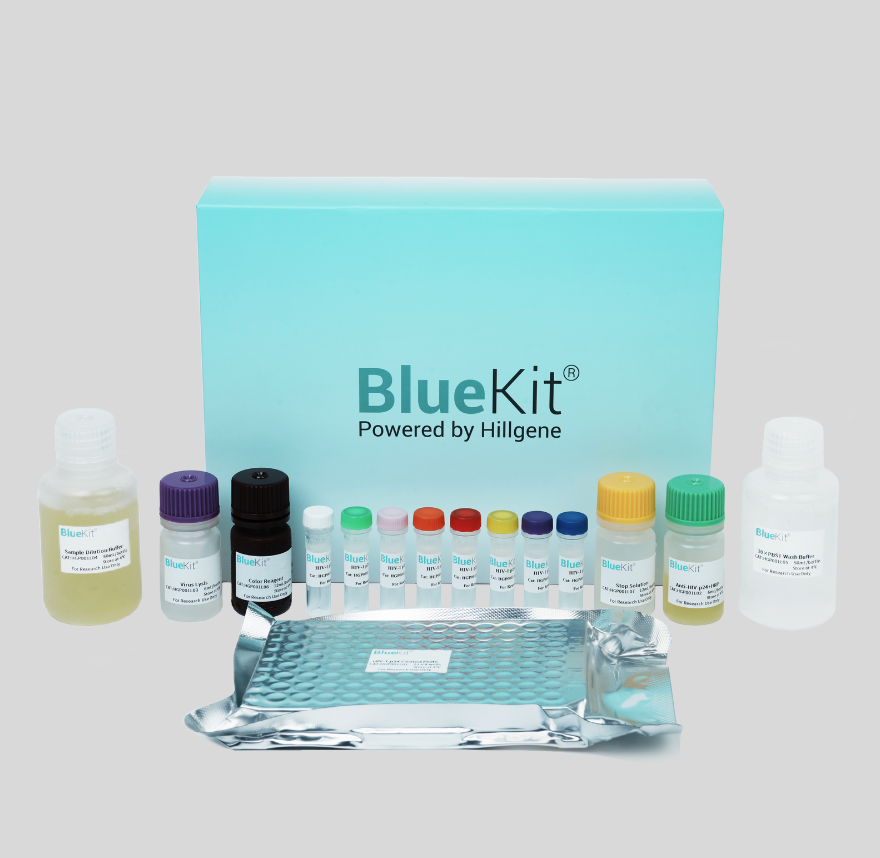
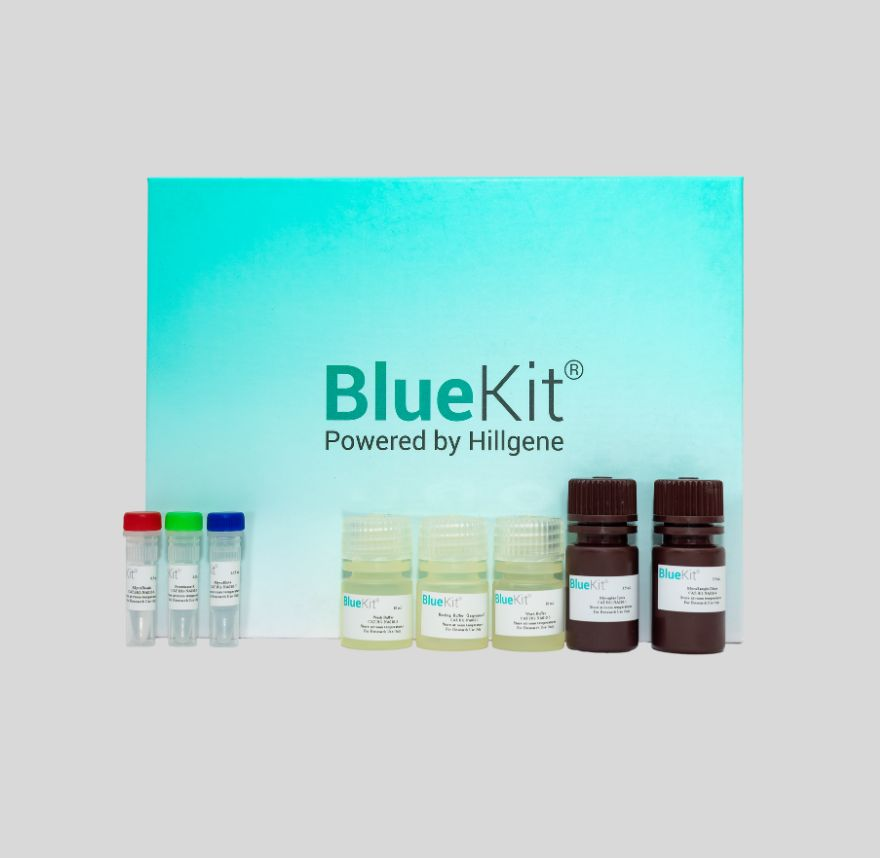
Hillgene as a total solution provider dedicated to the cell therapy field, holds China's first "Drug Manufacturing License" Type C under the MAH system for cell-based drugs, as well as the country's first EU QP Declaration of Compliance for cell therapies. We have established the HiPlas™ Vector System, the HiLenti® Suspension Serum-Free Viral Production Platform, and the HiCellx® Cell Process Development Platform, while also offering off-the-shelf GMP-grade packaging plasmids with FDA DMF filings.
Our platform has supported clients in obtaining more than 10 IND clearances from the NMPA, EMA, and FDA, and has backed multiple international multi-center clinical trials.
Choose Hillgene Biotech to help your iPSC-NK project reach its next milestone faster and sooner—let cell therapies write a new chapter in life.
2026 will be remembered as the first year of the iPSC clinical era. Over the next five years, driven by technological innovation, regulatory refinement, and cost reduction, iPSC therapies are expected to progressively enter mainstream medicine. Diseases such as Parkinson's disease, severe heart failure, diabetes, blindness, and spinal cord injury may finally approach the possibility of cell-based cures.
Reference:
[1] Sawamoto, Nobukatsu et al. "Phase I/II trial of iPS-cell-derived dopaminergic cells for Parkinson's disease." Nature vol. 641,8064 (2025): 971-977. doi:10.1038/s41586-025-08700-0
[2] Mandai, M., Watanabe, A., Kurimoto, Y., Hirami, Y., Morinaga, C., Daimon, T., Fujihara, M., Akimaru, H., Sakai, N., Shibata, Y., Terada, M., Nomiya, Y., Tanishima, S., Nakamura, M., Kamao, H., Sugita, S., Onishi, A., Ito, T., Fujita, K., Kawamata, S., … Takahashi, M. (2017). Autologous Induced Stem-Cell-Derived Retinal Cells for Macular Degeneration. The New England journal of medicine, 376(11), 1038–1046. https://doi.org/10.1056/NEJMoa1608368
[3] Wang, S., Du, Y., Zhang, B., Meng, G., Liu, Z., Liew, S. Y., Liang, R., Zhang, Z., Cai, X., Wu, S., Gao, W., Zhuang, D., Zou, J., Huang, H., Wang, M., Wang, X., Wang, X., Liang, T., Liu, T., Gu, J., … Shen, Z. (2024). Transplantation of chemically induced pluripotent stem-cell-derived islets under abdominal anterior rectus sheath in a type 1 diabetes patient. Cell, 187(22), 6152–6164.e18. https://doi.org/10.1016/j.cell.2024.09.004
[4] Strati, P., Castro, J., Goodman, A., Bachanova, V., Kamdar, M., Awan, F. T., Solomon, S. R., Wong, L., Wong, C., Patel, D., Bickers, C., Zhao, W., Bashir, Z., Valamehr, B., Elstrom, R. L., & Patel, K. (2025). Off-the-shelf induced pluripotent stem-cell-derived natural killer-cell therapy in relapsed or refractory B-cell lymphoma: a multicentre, open-label, phase 1 study. The Lancet. Haematology, 12(7), e505–e515. https://doi.org/10.1016/S2352-3026(25)00142-5

 86 13381666596
  info@hillgene.com
 English