October 2025 · Irving, Texas — McKesson Corporation, one of the world’s leading healthcare service and distribution companies, has released its latest industry report showing that while cell and gene therapies (CGT) continue to expand in clinical use, three persistent barriers—cost, manufacturing capacity, and patient access—remain the major obstacles to widespread adoption.

Photo by Talha Hassan on Unsplash
High Cost, Limited Capacity, and Uneven Access
The report notes that cell and gene therapies are transitioning from the “scientific breakthrough” stage to the “clinical implementation” stage.
In the United States, the number of approved CAR-T, AAV, and ex vivo gene-editing products has risen sharply, and their indications continue to broaden.
However, the pace of real-world adoption still lags behind laboratory progress, largely due to:
1️⃣ Treatment costs exceeding USD 400,000 per patient, with total costs—manufacturing, cryogenic logistics, and inpatient management—often surpassing USD 1 million;
2️⃣ Reimbursement and value-based payment systems that remain fragmented;
3️⃣ Certified CGT treatment centers concentrated mainly in large cities, leaving rural and remote areas without adequate cryogenic, storage, or handling facilities.
McKesson’s data show that although the number of U.S. hospitals qualified to deliver CGT products has grown by 30 percent year-over-year, access remains geographically uneven.
A Strategic Turning Point for Supply and Manufacturing
According to the report, manufacturing and supply-chain capability have become central to CGT commercialization.
Scalable, high-quality manufacturing systems are essential to control costs and ensure batch-to-batch consistency. McKesson calls for tighter collaboration among therapy developers, CDMOs, logistics providers, and data platforms to close the gap between R&D and real-world treatment delivery.

Photo by Sangharsh Lohakare on Unsplash
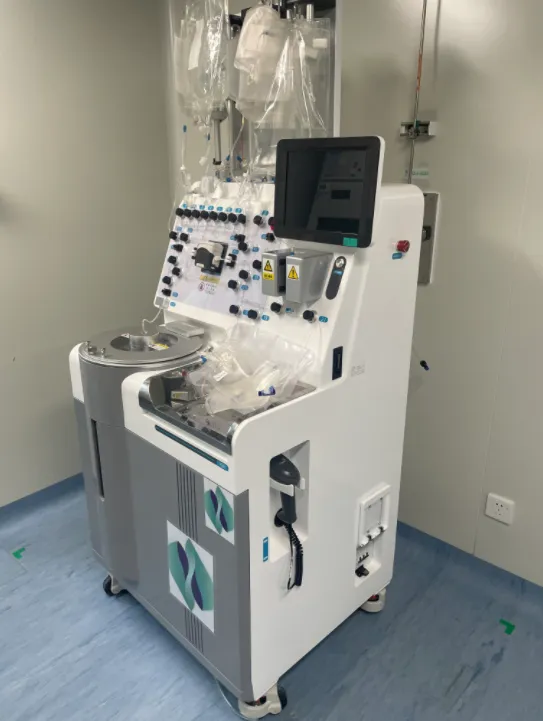
Industry observers note that in Asia, CGT infrastructure is expanding quickly, with process-analytic technologies (PAT), real-time monitoring, and automated closed systems emerging as new standards.
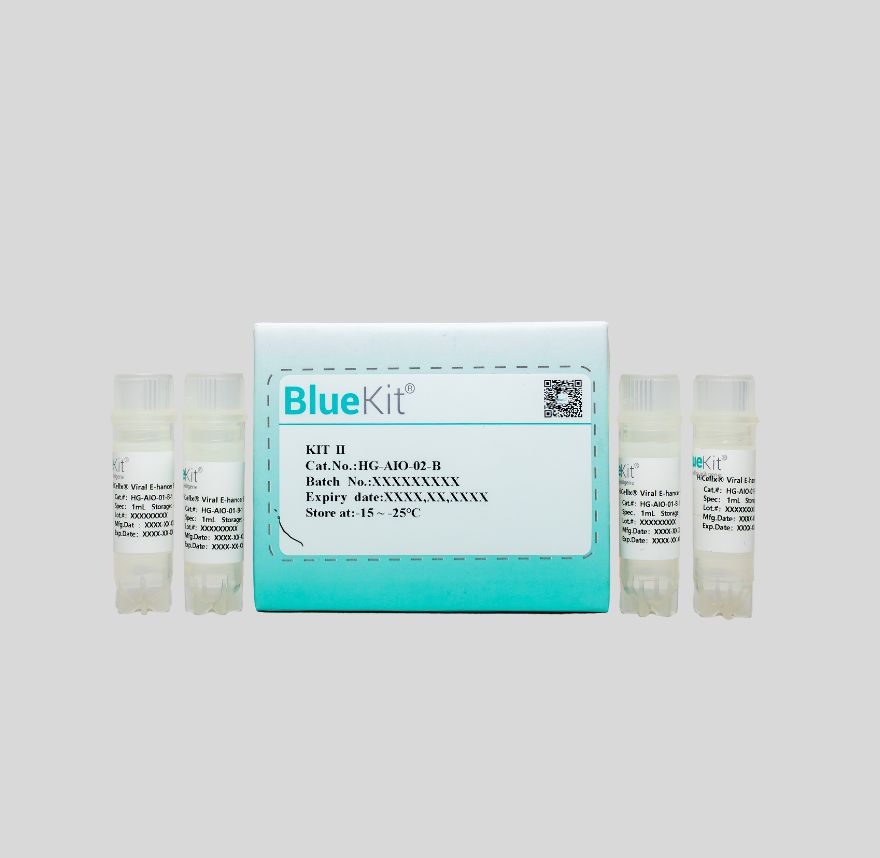
This evolution positions companies such as Hillgene, which focus on process optimization and manufacturing consistency for cell and gene therapy products, as key contributors to the sector’s drive toward greater efficiency and scalable production.
Source: McKesson Corporation, Cell and Gene Therapies on the Rise — Overcoming Barriers in Cost, Access, and Infrastructure, October 2025.

 86 13381666596
  info@hillgene.com
 English