An international research collaboration between UCLA, University College London (UCL), and Great Ormond Street Hospital has achieved a breakthrough in treating a fatal childhood immune disorder, adenosine deaminase–deficient severe combined immunodeficiency (ADA-SCID).
In a long-term clinical study, the experimental gene therapy successfully restored immune function in 59 out of 62 treated children—marking one of the most significant milestones yet for clinical gene therapy.

Photo by Katherine Hanlon on Unsplash
Innovative Approach Repairs the Underlying Genetic Defect
ADA-SCID is caused by mutations in the ADA gene, which prevent the body from developing a functioning immune system and leave patients highly susceptible to life-threatening infections. Without treatment, most affected children do not survive beyond the age of two.
Traditional therapies such as bone-marrow transplantation or enzyme replacement face major limitations, including donor availability, immune rejection, and lifelong dependence on medication.
The new therapy takes a fundamentally different approach: patient-derived stem cells are corrected with a functional ADA gene using a modified viral vector and reinfused to rebuild the immune system from within.
Durable Outcomes and Manufacturing Implications
Findings published in the New England Journal of Medicine followed patients treated between 2012 and 2019, covering 474 patient-years. Nearly all children achieved lasting immune recovery, with only mild, transient side effects related to preconditioning.
Importantly, over half of the participants received cryopreserved gene-corrected cells, which performed comparably to freshly modified cells. This suggests that high-quality cryogenic processing and vector stability can enable global manufacturing and distribution models—a critical step toward making gene therapy accessible beyond major research centers.
Industry observers note that such success underscores how advanced cell processing and analytics are becoming as vital as the underlying biology, a view increasingly shared across the CGT manufacturing community.

Photo by Sangharsh Lohakare on Unsplash
FDA Review Expected
The research consortium is preparing submissions to the U.S. Food and Drug Administration (FDA), aiming for regulatory approval within the next two to three years.
If approved, the therapy could become the first broadly available, potentially curative treatment for ADA-SCID, and a reference case for other rare genetic immune disorders.
For patients like 11-year-old Eliana Nachem, who was treated as an infant and now leads a normal, active life, this represents nothing short of a scientific rebirth.
A Quiet Revolution in Cell and Gene Therapy
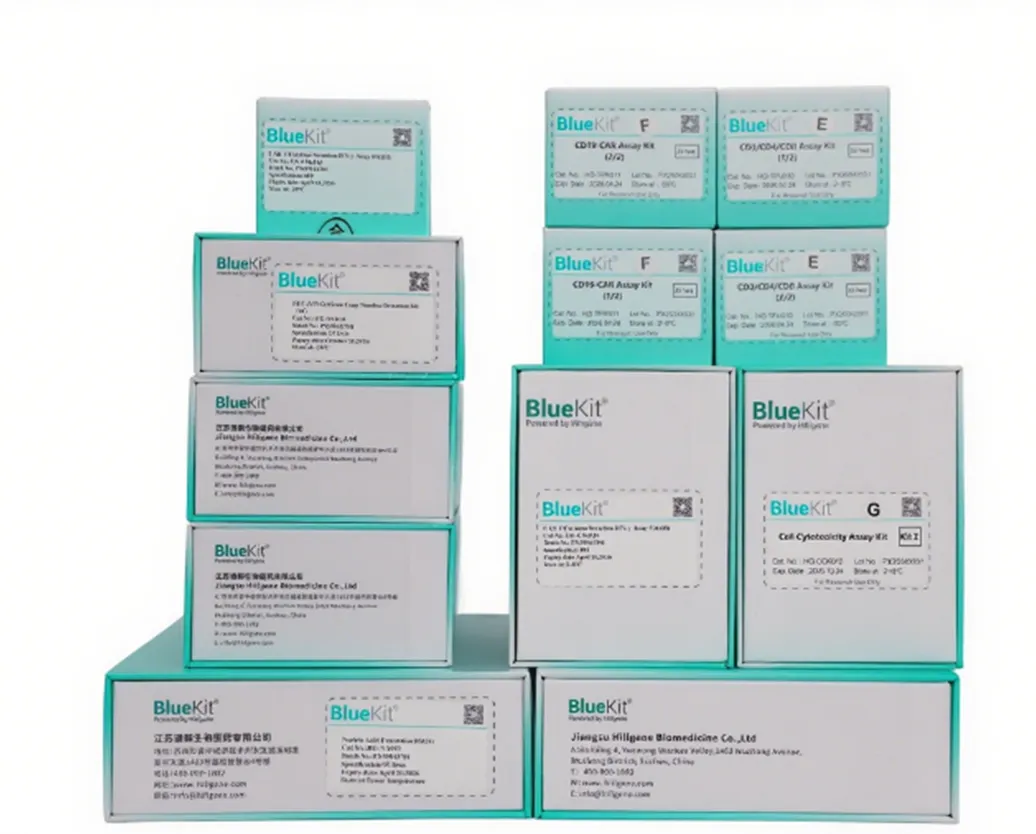
The ADA-SCID trial illustrates how clinical success increasingly depends on the consistency of manufacturing and the maturity of analytical control—areas where global CDMOs such as Hillgene and others are playing a growing role in ensuring reproducibility and safety as therapies scale.
As gene therapy moves from experimental to mainstream, the balance between discovery and manufacturability will define its next decade.

Photo by Navy Medicine on Unsplash
Source: Times of India. “Experimental Gene Therapy Successfully Revives Immune Systems in Children with Deadly Disorder.”


 86 13381666596
  info@hillgene.com
 English