March 2026 — Researchers at Stanford University School of Medicine have reported a new approach to engineering immune cells capable of detecting metabolic signals released by tumors, potentially improving the ability of cell therapies to locate and attack cancer cells within solid tumors.
One of the major challenges in cell-based immunotherapy has been enabling therapeutic immune cells to effectively infiltrate solid tumors. While CAR-T therapies have achieved remarkable success in hematologic cancers, translating similar efficacy to solid tumors remains difficult, largely because engineered immune cells often struggle to identify and migrate toward tumor sites.

Photo by DIANA HAUAN on Unsplash
The Stanford research team addressed this challenge by exploiting metabolic byproducts produced by tumor cells. By engineering immune cells to sense these metabolic cues, the cells can track tumor locations more effectively. Researchers compared the mechanism to a bloodhound following a scent trail to find its target.
In mouse models, the engineered cells demonstrated improved tumor infiltration and enhanced antitumor activity. The findings suggest that integrating environmental sensing capabilities into immune cells could represent an important step toward improving the effectiveness of cell-based cancer therapies.
Photo by Mufid Majnun on Unsplash
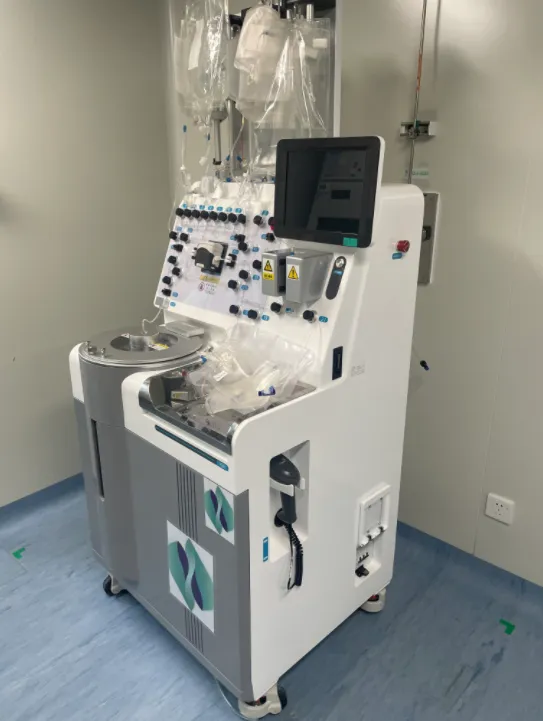
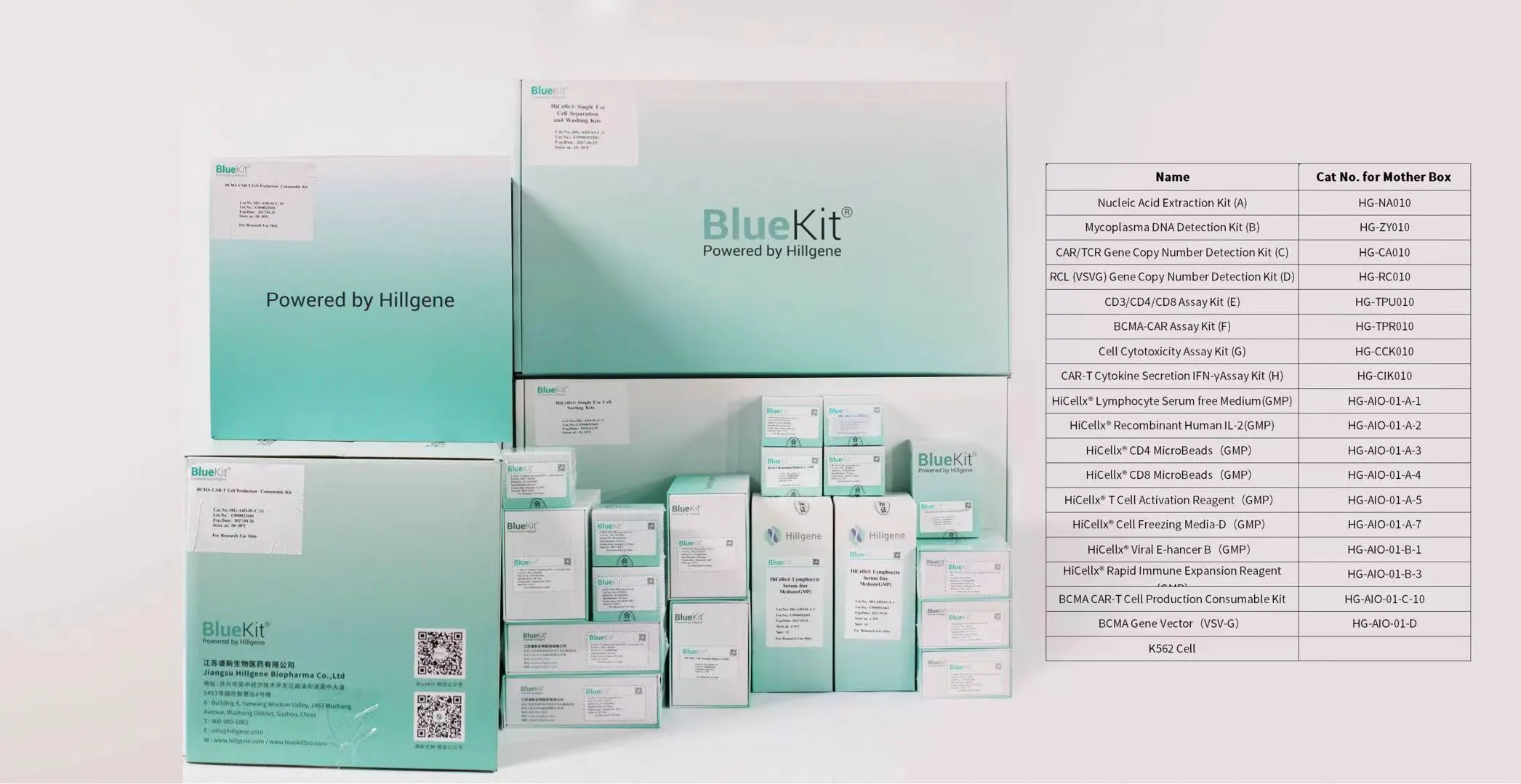
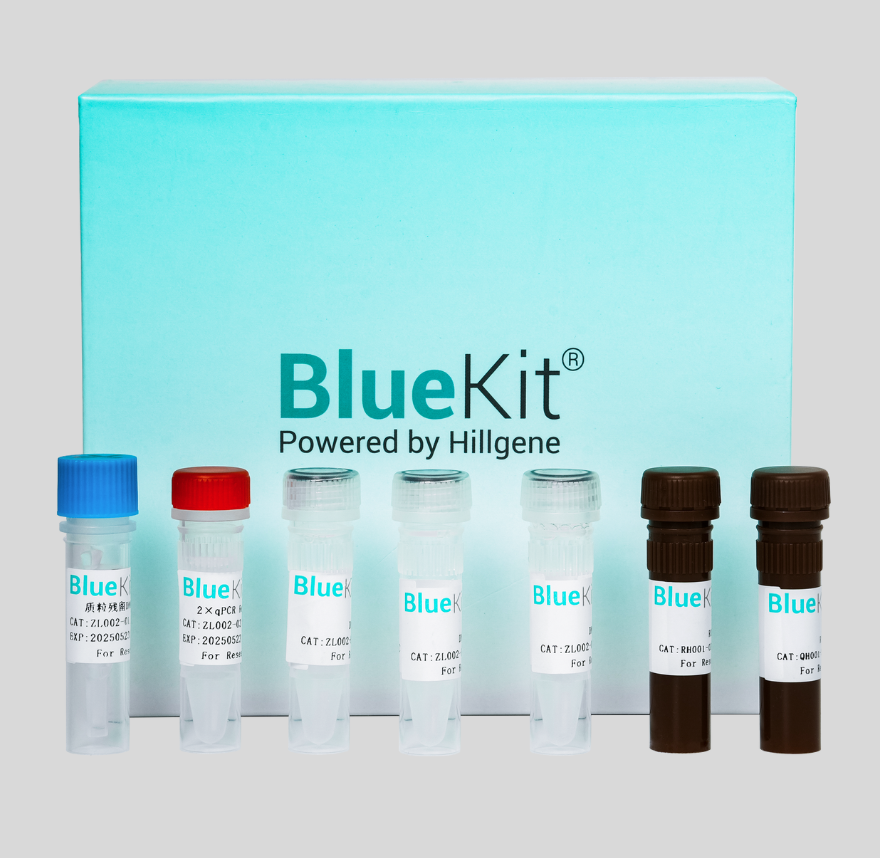
Commenting on this trend, Hillgene noted that advances in engineered immune cell technologies highlight the growing importance of robust expansion and manufacturing platforms. As NK cells, CAR-T, and other immune cell therapies continue to evolve, scalable and standardized cell production systems are becoming increasingly critical to support clinical development and commercialization.
Industry observers believe that as more environment-responsive immune cell strategies emerge, cell therapy is entering a new phase where biological innovation and manufacturing capability will jointly determine long-term success.
Source: Stanford Medicine. Engineered immune cells can track tumor metabolic signals, March 2026.

 86 13381666596
  info@hillgene.com
 English