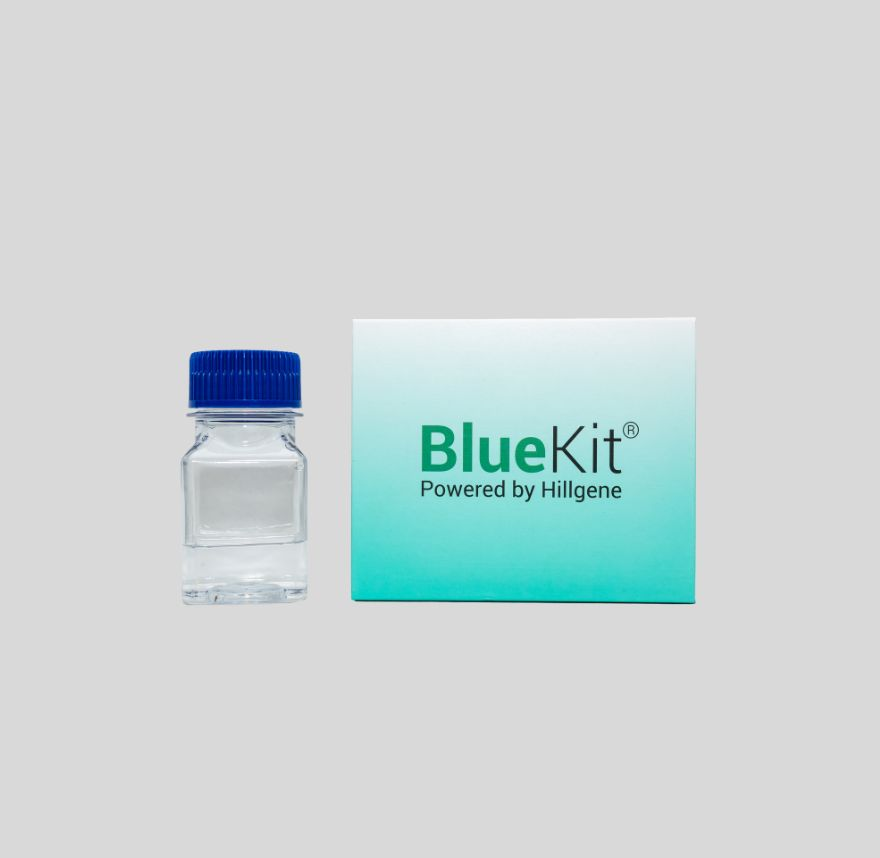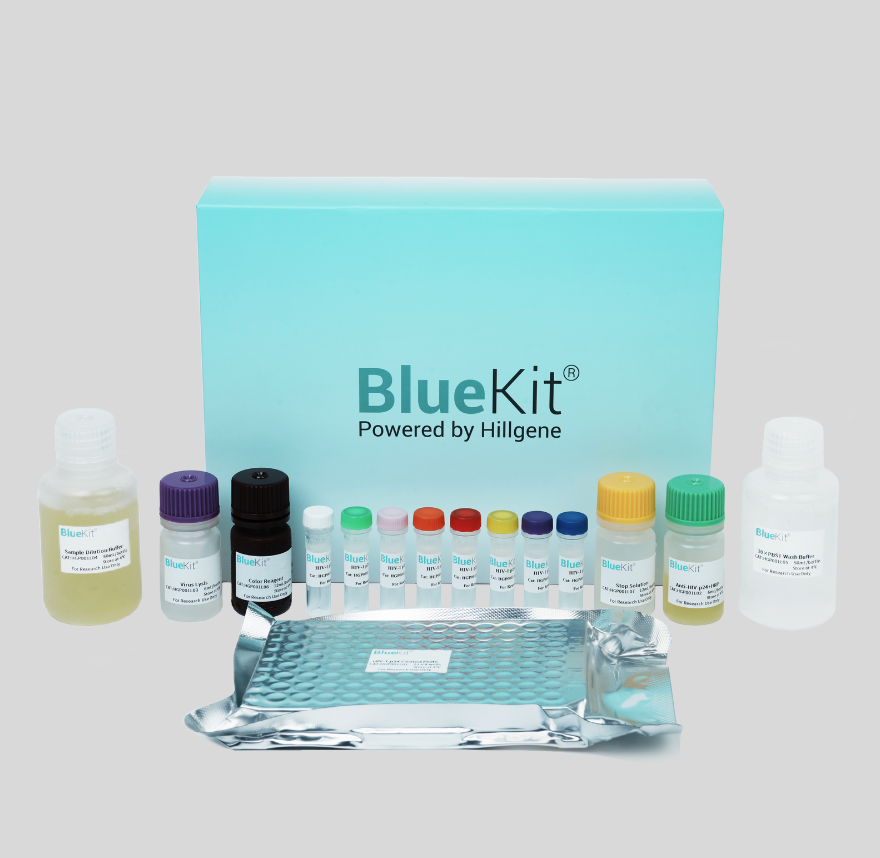
This kit is designed for the quantitative detection of E.coli host cell DNA in intermediates, semifinished products and finished products of various biological products.
This kit adopts the principle of Taqman probe to quantitatively detect E.coli residual DNA in samples.
The kit is a rapid, specific and reliable device, with the minimum detection limit reaching fg level.
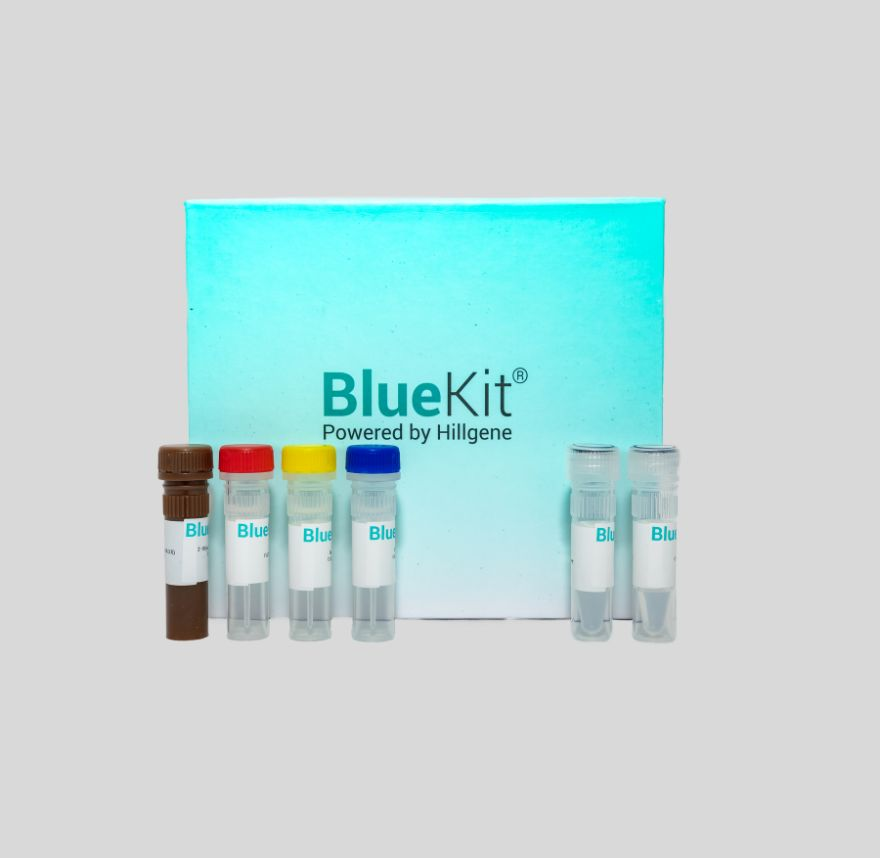
Ultra-high sensitivity: 1 fg/μL detection limit (qPCR-based), meeting strictest pharmacopeial requirements
Rapid workflow: Results in 1 hour (300% faster than conventional methods)
Regulatory-ready: Validated per USP/EP/ChP guidelines (R²>0.99, 90-110% amplification efficiency)
1. Sample Preprocessing
2. qPCR Operation Steps
3. qPCR reaction program and parameter setting
4. qPCR result analysis
Milestones | Specifications | Deliverables |
Kit Components Preparation | • Complete kit including: | • Ready-to-use kit (100 reactions) |
Instrument Compatibility | • Compatible with major qPCR instruments including: | • Instrument compatibility list |
Sample Preparation | • Requires配套 sample preprocessing kit (Cat. No. HG-CL100) | • Sample preprocessing workflow |
Standard Curve Preparation | • Serial dilution of DNA reference standard (ST0-ST5) covering 3×10¹-3×10⁵ fg/μL range | • Step-by-step dilution protocol |
qPCR Reaction Setup | • Master mix preparation per reaction (15μL): | • qPCR mix calculator |
qPCR Program Setup | • Two-step amplification protocol: | • Standard cycling protocol |
Data Analysis & QC | • Standard curve requirements: | • Data analysis template |
Delivery & Support | • Complete kit with all components | • Physical product delivery |
Precautions & Notes | • For Research Use Only (RUO) | • Product disclaimer |
• Purpose: Quantitative detection of trace E.coli host cell DNA in biopharmaceutical products
• Feature: TaqMan probe-based technology with fg-level sensitivity (3×10¹-3×10⁵ fg/μL)
• Technical Effort:
- Validated standard curve (R²≥0.98, efficiency 85-110%)
- Rigorous QC: triplicate wells (Ct deviation <1.0), spike recovery (50-150%)
• Application: QC testing for intermediates/final products
• Purpose: Ensure reliable results across labs with different qPCR instruments
• Feature: Compatible with 20+ instruments (ABI7500, BioRad CFX96, Roche LightCycler 480, etc.)
• Technical Effort:
- ROX dye optimization for instrument-specific fluorescence calibration
- Customized cycling parameters for each model
• Application: Cross-platform validation studies
• Purpose: Streamline residual DNA testing with minimal hands-on time
• Feature: Includes preprocessing kit (HG-CL100) + ready-to-use qPCR mix
• Technical Effort:
- Pre-optimized master mix (2× buffer + primer/probe mix)
- Standardized plate layout and dilution protocols
• Application: High-throughput testing in GMP environments
Application Scenario
A manufacturer needed to validate residual host cell DNA levels in recombinant monoclonal antibody batches for FDA compliance.
Technical Challenge
Required detection of trace DNA (<100 fg/μL) in protein-rich solutions with potential PCR inhibitors.
Solution Implemented
• Used sample prep kit (HG-CL100) for inhibitor removal
• Implemented triplicate testing on Roche LightCycler 480 (No ROX)
• Included NTC/NCS controls and spike recovery (ERC) at 50 fg/μL
Outcome & Validation Data
• Achieved LOD of 30 fg/μL (S/N>3)
• All batches met ≤10 pg/dose specification (FDA)
• Inter-assay CV: 4.2% (n=15)
• Spike recovery: 95-105% across 3 operators
Application Scenario
A gene therapy developer required quantification of residual E.coli DNA in adeno-associated virus (AAV) vector preparations.
Technical Challenge
High background from plasmid backbone DNA interfered with host cell DNA detection.
Solution Implemented
• Optimized pretreatment with benzonase/DNase I
• Customized qPCR program for ABI 7500 (ROX Low)
• Validated against human/mouse DNA controls
Outcome & Validation Data
• Specificity: 100% for E.coli vs. mammalian DNA
• Linear range: 3×10¹-3×10⁵ fg/μL (R²=0.998)
• Detected 0.001% residual DNA in final vector prep
Application Scenario
A vaccine producer implemented in-process testing during E.coli fermentation to detect DNA carryover between batches.
Technical Challenge
Needed high-throughput (≥96 samples/run) with <4hr turnaround for real-time process decisions.
Solution Implemented
• Automated 96-well plate setup with pre-optimized master mix
• Standardized protocol for BioRad CFX96 (ROX Low)
• Integrated with LIMS for data tracking
Outcome & Validation Data
• Throughput: 120 samples/day
• Run time: 2.3hr (40 cycles)
• Identified DNA contamination in 2/50 fermentation runs
• Cross-reactivity: 0% with B.subtilis and yeast DNA
Application Scenario
A CDMO required verification of host cell DNA removal during plasmid DNA purification for mRNA vaccine production.
Technical Challenge
Differentiated residual chromosomal DNA from plasmid DNA in final product.
Solution Implemented
• Designed sequence-specific TaqMan probe targeting E.coli genomic repeats
• Used ST0-ST5 standards (3×10⁶-3×10¹ fg/μL)
• Included plasmid-only controls (NCS)
Outcome & Validation Data
• Sensitivity: Detected 1 E.coli genome equivalent/μg plasmid
• Precision: Ct SD=0.25 (n=3)
• Amplification efficiency: 99% (85-110% acceptance criteria)
| Specification | 100 Reactions |
Assay range | 3.00×10¹ ~3.00×10⁵fg/μL |
Limit of quantitation | 3.00×10¹ fg/μL |
Limit of detection | 3.00 fg/μL |
Precision | CV%≤15% |
| Validity period | 18 months |
| Storage conditions | -20℃ |
| LOQ | 10 fg/μL |
| LOD | 1 fg/μL |
| IND Filing | OK |
| FDA Filing | OK |
| Concentration(fg/μl) | Log Concentration | Ct Value(1) | Ct Value(2) | Ct Value(3) | Ct Mean Value | Recovery rate |
| 3.00E+05 | 5.48 | 22.30 | 22.33 | 22.32 | 22.32 | 97% |
| 3.00E+04 | 4.48 | 25.51 | 25.43 | 25.49 | 25.48 | 108% |
| 3.00E+03 | 3.48 | 29.09 | 28.89 | 28.90 | 28.96 | 97% |
| 3.00E+02 | 2.48 | 32.38 | 32.30 | 32.72 | 32.32 | 95% |
| 3.00E+01 | 1.48 | 35.52 | 35.28 | 35.72 | 35.51 | 104% |
| Amplification efficiency | 100.01% | |||||



 86 198 5711 6962
  info@hillgene.com
 English