A new study published in the Annals of Laboratory Medicine (2025) has reported significant progress in the optimization of K562-based feeder cells for natural killer (NK) cell expansion. The research team evaluated different conditions for feeder-to-PBMC ratios and stimulation frequencies, achieving remarkable expansion outcomes while ensuring safety through the elimination of residual feeder cells.
The study found that at a 2:1 PBMC-to-feeder ratio, NK cells expanded by approximately 5,224-fold. With repeated stimulation, expansion levels reached an impressive 261,457-fold. Importantly, the researchers confirmed that irradiated feeder cells did not survive in the final product, eliminating the risk of residual feeder contamination—a critical requirement for clinical applications.
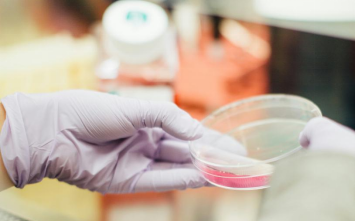
Photo by Dogancan Ozturan on Unsplash
These findings underscore the potential of K562 feeder systems in enabling large-scale NK cell production for immunotherapy, addressing one of the key challenges in developing safe and effective cell therapies.
At Hillgene, we are advancing this innovation with our Genetically Modified K562 Feeder Cell product, designed to deliver rapid and efficient immune cell expansion at only one-tenth the cost of conventional cytokine-based culture methods. This solution not only improves scalability and consistency but also lowers barriers for researchers and clinical developers worldwide. → Start with Genetically Modified K562 Feeder Cell
As the demand for NK- and T-cell-based therapies continues to grow, optimized feeder cell systems are expected to play a pivotal role in accelerating both research and clinical translation, ultimately broadening access to next-generation cell therapies.
Source: Jo H et al., Annals of Laboratory Medicine (2025). “Optimization of Natural Killer Cell Expansion with K562-mbIL-18/-21 feeder cells.”
 86 13381666596
  info@hillgene.com
 English